
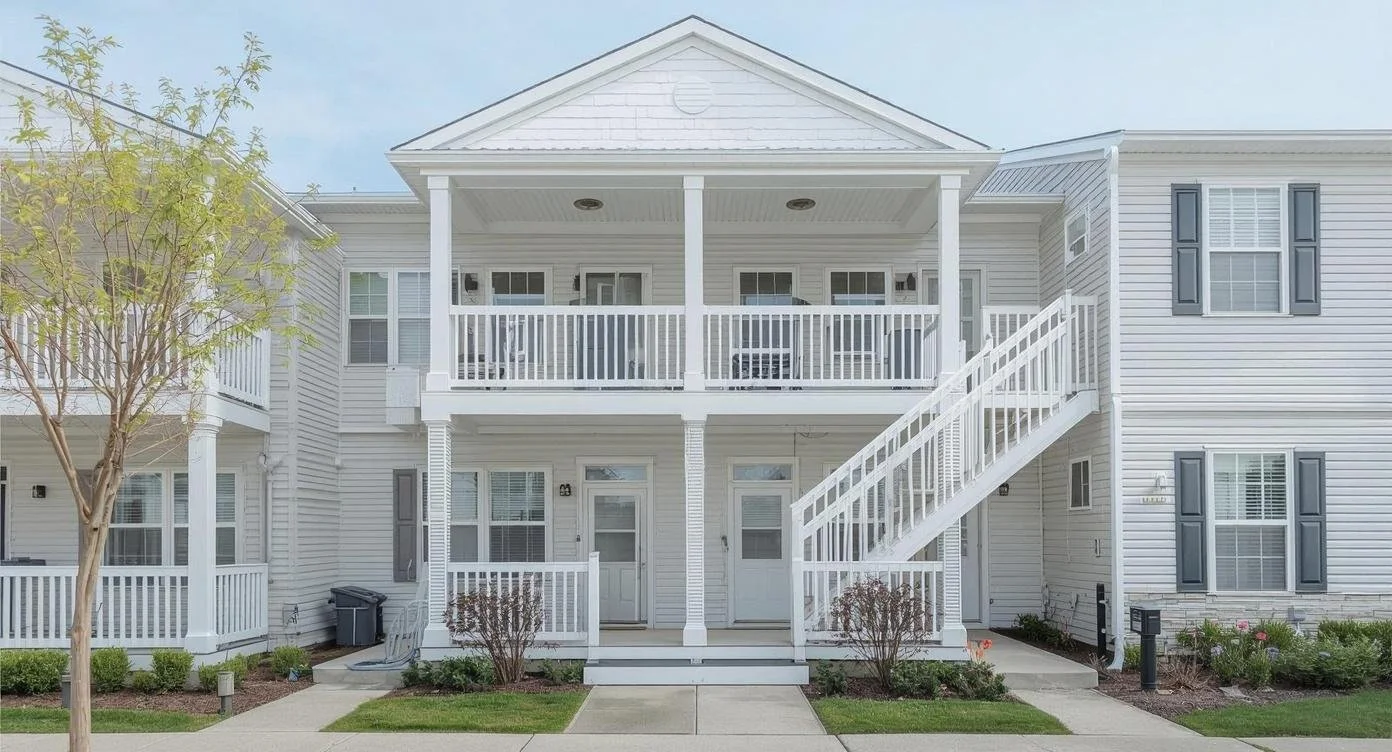
Rental Property Insurance:
Protecting Your Investment and Tenants

Owning a rental property can be an excellent long-term investment, but it also brings unique risks. Tenants, weather events, liability concerns, and unexpected damages can quickly turn a profitable property into a financial burden. Rental Property Insurance is designed to safeguard your building, your income, and your peace of mind.
Below is a clear overview of what this coverage includes, how it differs from homeowners insurance, and the key factors to consider when choosing a policy.
What Rental Property Insurance Covers
Rental property policies function similarly to homeowners insurance, but they are specifically built for properties you do not occupy. The major coverage areas include:
1. Property Damage
This protects the physical structure of the rental property. A policy may cover damage caused by:
Fire, storms, wind, or other covered natural events
Vandalism or malicious damage caused by tenants or others
Theft of attached building items (fixtures, appliances, built-ins)
Damage to detached structures, garages, or fencing (coverage varies by carrier)
Coverage depends heavily on the policy form.
The most common forms include:
DP-1: Basic coverage, named perils
DP-2: Broader named perils
DP-3: Comprehensive coverage on a single-family or multi-family rental
Commercial Property Forms (CP 00 10), modified by the chosen cause-of-loss form
Understanding your coverage form is essential—it determines exactly which events are covered.
2. Liability Coverage
Liability coverage protects you if a tenant or visitor is injured on the property due to unsafe conditions.
It may cover:
Medical expenses
Legal defense costs
Settlements or judgments
Lawsuits can exceed the value of the building itself, so adequate liability protection is critical.
3. Loss of Rental Income
If a covered event makes the property unlivable, this coverage reimburses the rental income you would normally receive until repairs are completed.
This ensures your cash flow continues, even when tenants cannot occupy the property.
4. Optional Add-Ons (Endorsements)
Rental property policies often allow many of the same endorsements found in a homeowners policy, though availability varies by carrier. Common and valuable options include:
Ordinance or Law Coverage (highly recommended, especially for older properties)
Equipment Breakdown Coverage for appliances and mechanical systems
Service Line Coverage for underground pipes and wiring
Sewer or Water Backup Coverage (important for properties with basements)
Extended Dwelling Coverage for reconstruction cost fluctuations
These endorsements help customize the policy to match the property’s structure, age, and risk exposure.
Factors That Affect Your Policy
The cost and coverage options of Rental Property Insurance depend on several variables:
Property type: single-family, multi-family, condo, or small apartment building
Length and type of rental: long-term, mid-term, short-term, or home-sharing
Location and local risks (storm exposure, crime rate, flood zones)
Number of tenants and occupancy type
Property age and prior claim history
Insurance score (largely credit-based)
Selected coverage limits and deductibles
A policy should be tailored to the property’s unique profile—not simply copied from your homeowners insurance.
Common Misconceptions
“My tenant has insurance, so I don’t need much coverage.”
Tenant insurance primarily protects their belongings—not your building.
Their liability coverage extends to your property only in limited at-fault scenarios (commonly fire, smoke, explosion, or certain water-related damage). It does not replace a landlord policy.
“My homeowners policy will cover a rental.”
Standard homeowners insurance usually excludes rental activity because it involves a different level of risk.
However, home-sharing or renting out part of your home may be covered using a specific endorsement—this should be reviewed with your agent.
“Rental insurance is too expensive.”
Compared to the cost of repairs, lost income, or liability claims, coverage is usually affordable—often only modestly higher than a standard homeowners policy.
“I’m renting to family, so I don’t need full coverage.”
If you do not live in the home, insurers still classify it as a rental.
Your family members will also need their own renters insurance, as your policy will not fully protect their belongings or liability.
The Takeaway
Rental Property Insurance protects your building, your rental income, and your financial stability. With the right policy structure and endorsements, you can manage your investment with confidence and reduce the financial impact of unexpected events. A well-designed policy ensures your property remains an asset—not a liability.
-
While the fundamentals of Rental Property Insurance remain consistent across states, Kansas and Missouri landlords face a few regional risks and regulatory considerations worth noting.
1. Severe Storm & Hail Exposure
Both states experience frequent hailstorms, windstorms, and tornado activity.
This makes it important to confirm:Your policy covers wind and hail at replacement cost, not depreciated value
Roof coverage is clear and not restricted to ACV (common on older roofs)
Detached structures and fencing have adequate limits, since they are highly exposed to storm damage
Storm-related claims are among the most common for KS and MO rental properties.
2. High Rates of Tornado Activity
Kansas and western Missouri sit within tornado-prone regions.
Because reconstruction costs rise sharply after widespread damage, landlords should ensure:Dwelling limits accurately reflect current rebuild costs
Extended dwelling coverage or a similar endorsement is included
This helps avoid underinsurance during periods of labor and material shortages.
3. Water & Sewer Backup Risks
Many neighborhoods—especially in Kansas City, St. Louis, and older towns across both states—have aging sewer and drainage systems.
Sewer or water backup coverage is strongly recommended if you have:
A basement
Below-grade rental units
Older plumbing systems
This is one of the most common and costly landlord claims in the region.
4. Short-Term Rentals Are Increasing
Cities like Kansas City, Springfield, Columbia, Wichita, and Overland Park have seen growth in Airbnb-style rentals.
Coverage considerations:
Some insurers restrict or exclude short-term rental activity
A DP-3 or commercial policy may be required for frequent turnovers
Liability limits may need to be higher due to increased foot traffic
Always confirm with your agent whether your policy supports short-term use.
5. Earthquake Risk (Missouri Only)
Landlords in southeast Missouri or anywhere near the New Madrid Fault Zone should consider an earthquake endorsement or separate policy.
Standard landlord policies exclude earthquake damage.
6. Loss of Rent Is Especially Important in Market-Tight Areas
In cities like Columbia (college rentals), Kansas City, Lawrence, and Springfield, rental demand fluctuates quickly—especially after major storms or campus-related cycles.
Loss of rental income coverage stabilizes cash flow if the unit becomes uninhabitable.
7. Crime-Related Risks Vary by Neighborhood
Both states have locations with higher-than-average vandalism or theft rates.
Depending on the area:Liability limits may need to be increased
Property coverage for vandalism and malicious mischief becomes essential
Security upgrades may reduce premiums
A well-matched policy protects against both property loss and legal exposure.
Have additional Questions?
Please let us know how we can help.
Service@rulyins.com
(913) 229-6222