
Builders Risk Coverage Explained:
What It Covers During Construction, What It Doesn’t, and How to Protect a Project

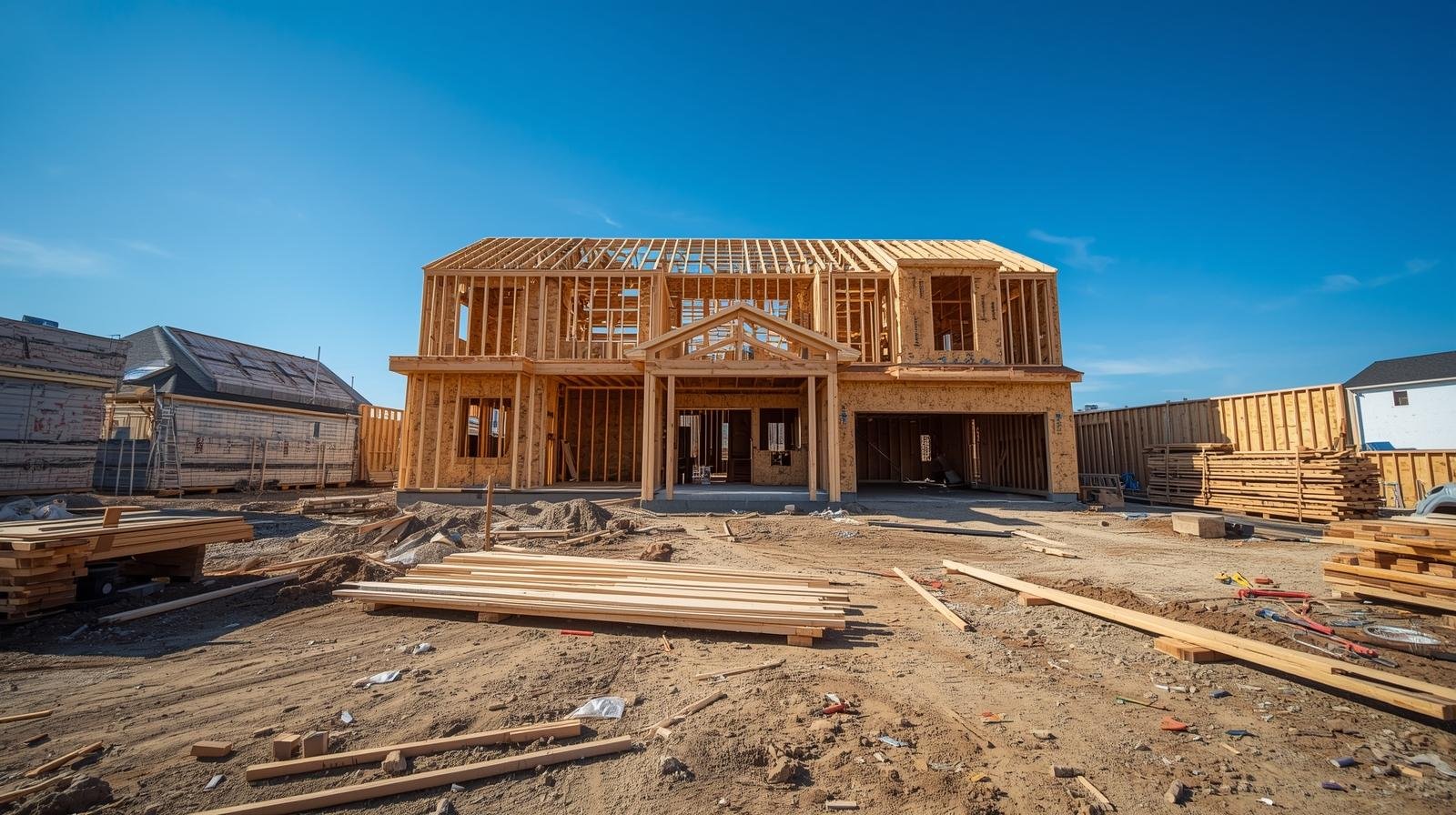
A house, addition, or commercial build is most exposed while it is still going up. Materials sit on site. Weather does not wait for a completion date. A fire, theft, or windstorm during construction can erase months of progress before anyone has moved in.
Builders Risk Coverage—sometimes called course-of-construction coverage—is property insurance for a building while it is being built, renovated, or reconstructed. It is not the same as a homeowners or commercial property policy, and those policies often restrict or exclude buildings that are under construction or vacant.
What Builders Risk Coverage Covers
Most Builders Risk policies are written for a set project period and a stated completed-value or reporting limit. Core pieces typically include:
1. The Structure Under Construction
Coverage applies to the building as it is being framed, enclosed, and finished—walls, roof, flooring, and permanently installed systems that become part of the project.
2. Materials and Supplies
Building materials intended for the project can be covered while they are on site, and sometimes while they are in transit or stored at a temporary location. Confirm how the policy treats off-site storage. Not every form includes it automatically.
3. Temporary Structures
Scaffolding, temporary fencing, job-site trailers, and similar structures used for the project may be included or available by endorsement, depending on the carrier.
4. Covered Causes of Loss
Common covered events include fire, lightning, wind, hail, theft, vandalism, and certain water damage. Some policies use a named-peril form. Others use a broader special-form approach. The form matters as much as the limit.
5. Soft Costs (When Endorsed)
If a covered loss delays completion, some policies can be endorsed for extra interest, extra permit fees, extra advertising, or additional professional fees. These “soft costs” are not automatic.
What’s NOT Covered (And Often Surprises People)
Builders Risk is property coverage for the project—not a catch-all construction package. Standard policies typically do not cover:
Liability if someone is injured on the job site (that is General Liability or Workers’ Compensation)
Tools and contractors’ equipment belonging to a trade (often Inland Marine)
Poor workmanship, defective design, or the cost to correct faulty construction
Normal wear, gradual deterioration, or employee dishonesty unless endorsed
Flood and earthquake unless added or written separately
The finished building after it is occupied, sold, or past the policy’s termination date
When construction ends, coverage needs to move to a homeowners, dwelling, vacant, or commercial property policy. A gap between those dates is a common and expensive mistake.
How Much Coverage Should You Have?
A well-structured Builders Risk policy usually includes:
A limit based on completed project value, not just the current draw or land value
A realistic project term, with the ability to extend if the job runs long
Clear wording on who is insured—owner, general contractor, and sometimes lenders
Theft and materials coverage that matches how the site is stored and secured
Soft-cost or delay coverage on larger or financed projects
Lenders and contracts often require the owner or the contractor to carry this coverage and name the other party as an additional insured or loss payee. The contract should match the policy.
The Takeaway
Builders Risk Coverage protects the investment while a building is still becoming a building. The right policy is written for the project’s completed value, the people named in the contract, and the date occupancy actually begins—not the date everyone hoped to finish.
-
1. Wind, Hail, and Tornado Exposure
Jobs in KS and MO sit exposed for months. Temporary roofing, open framing, and stacked materials are vulnerable. Review wind/hail deductibles and whether the form is named-peril or special-form.
2. Theft From Open Sites
Copper, appliances, lumber, and tools disappear from unsupervised sites. Ask how the policy treats theft and whether a job-site security requirement applies.
3. Winter Weather and Freeze Losses
Unheated structures and incomplete plumbing are a winter claim source. Some forms limit freeze coverage unless heat is maintained.
4. Lender and Permit Timing
Municipal inspections and weather delays are common. Build extra term into the policy instead of assuming a three-month job will stay on a three-month policy.
5. Moving to Permanent Coverage
Kansas City, Wichita, Omaha-adjacent, and DFW-area projects often close or get a certificate of occupancy before the homeowners or commercial policy is bound. Coordinate that handoff early.
Have additional Questions?
Please let us know how we can help.
Service@rulyins.com
(913) 229-6222